The best roofing materials for new builds in Napa County are standing seam metal, clay and concrete tile, natural slate, synthetic composite tiles, and Class A Cool Roof architectural shingles. Because Napa County enforces strict Wildland-Urban Interface (WUI) Chapter 7A fire codes and California Title 24 solar reflectance standards, custom builders prioritize non-combustible Class A assemblies paired with ember-resistant venting.
If you are planning a custom residence, vineyard estate, or fire-hardened rebuild in St. Helena, Yountville, or Napa County, selecting the right roofing system early aligns structural framing with WUI fire compliance. You can explore our custom home portfolio or contact Vine Homes Construction to schedule a pre-construction review.
Roofing Material | WUI Fire Rating | Expected Lifespan | Thermal & Structural Profile | Best Wine Country Architectural Fit |
|---|---|---|---|---|
Standing Seam Metal | Class A (Non-Combustible) | 40 to 70+ years | High radiant heat reflection; lightweight profile ideal for hillside framing | Modern Wine Country, contemporary glass estates, and hillside retreats |
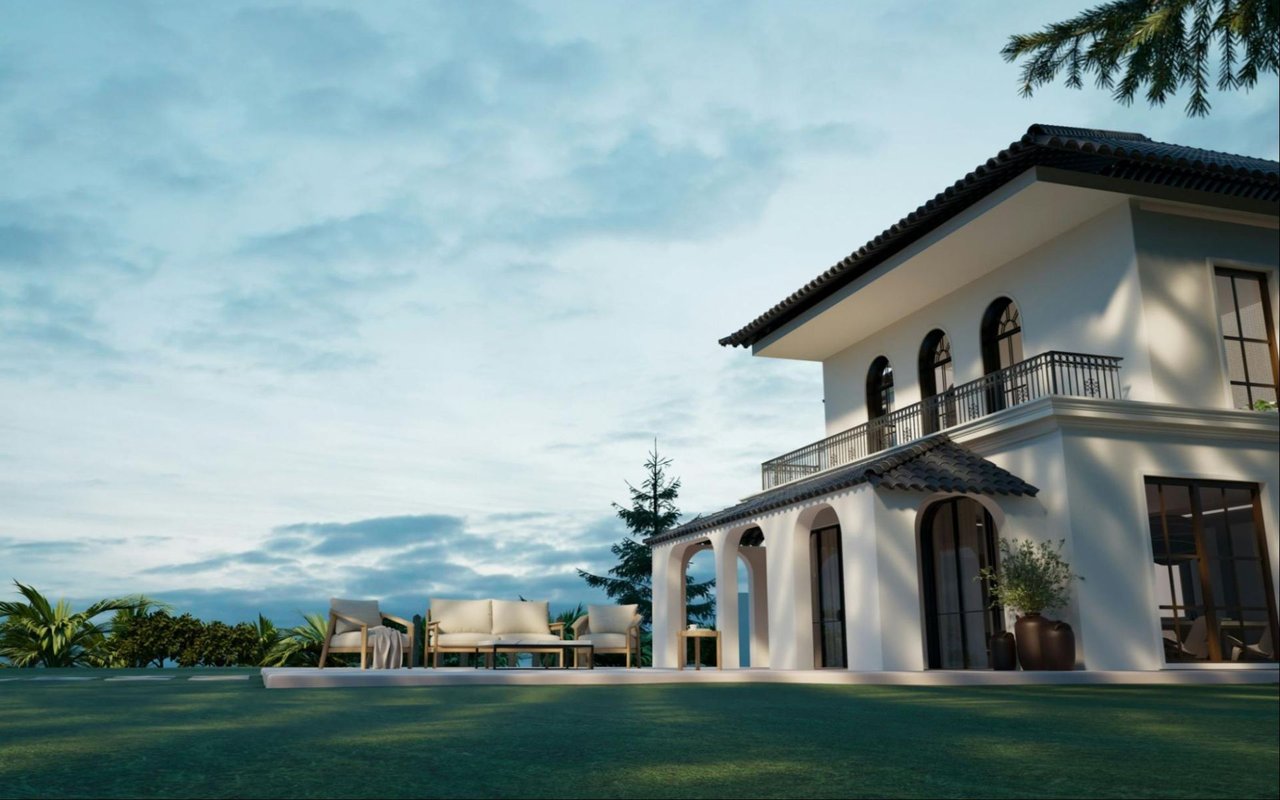
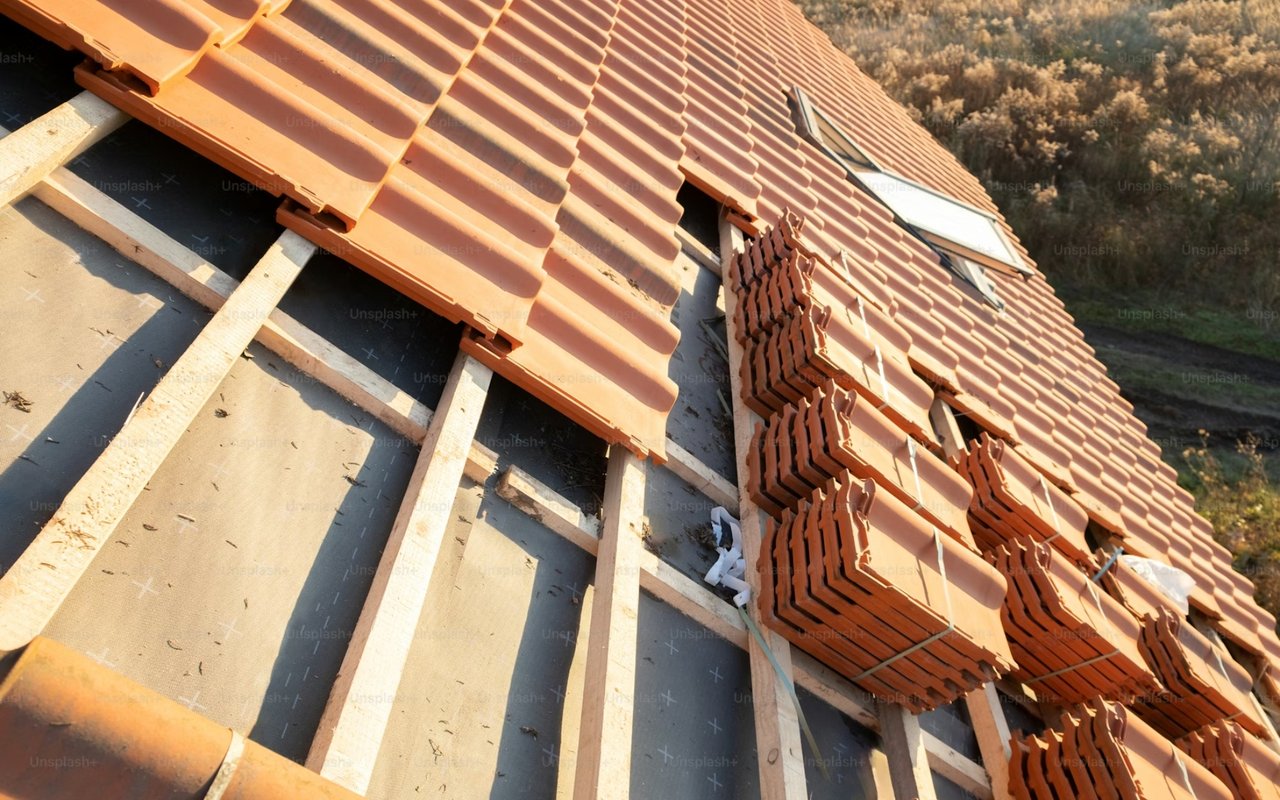
Clay & Concrete Tile | Class A (Incombustible) | 50 to 75+ years | High thermal mass slows daytime heat transfer; requires engineered roof load | Mediterranean, Spanish Revival, and Tuscan vineyard estates |
Natural Quarried Slate | Class A (Natural Stone) | 75 to 100+ years | High thermal inertia and moisture immunity; requires heavy structural framing | Legacy vineyard manors, French Country, and European-inspired estates |
Synthetic Composite Slate/Shake | Class A (Engineered) | 50+ years | Class 4 impact resistance with lower dead load than natural stone or clay | Modern farmhouse, rustic agrarian, and Craftsman custom residences |
Cool Roof Architectural Shingles | Class A (Fiberglass/Asphalt) | 25 to 30 years | Title 24 reflective granules with economical structural framing requirements | Transitional residences, guest houses, and accessory dwelling units (ADUs) |
Sources: California Office of the State Fire Marshal Wildland-Urban Interface (WUI) Building Materials Listing, Napa County Planning, Building, and Environmental Services, and California Building Standards Code (Title 24).
Standing Seam Metal and Natural Slate for Modern and Legacy Estates
In Napa County, roofing selection governs far more than exterior aesthetics; it anchors structural dead-load engineering, summer cooling efficiency, and wildfire defense across valley-floor and hillside microclimates. Standing seam metal roofing has become a leading specification for custom residences in St. Helena, Howell Mountain, and Mount Veeder. Constructed with concealed fasteners and factory-applied Kynar cool-roof finishes, standing seam zinc, aluminum, or coated steel panels reflect intense summer solar radiation, shed wind-blown embers without ignition, and impose minimal structural weight on wide-span hillside trusses.
For homeowners seeking centennial permanence and classic architectural gravitas, natural quarried slate delivers an unmatched 75-to-100-year service life. Dense natural stone resists moisture absorption, thermal cycling, and fire while lending rich organic texture to French Country and vineyard manor estates. Because natural slate carries substantial weight, our structural engineers integrate reinforced roof framing and shear walls from the earliest schematic drawings. Explore how roofing integrates with broader fire-resilient design in our Napa Valley fire-hardened rebuilding advisory and our sustainable building practices in Napa guide.
Clay Tile, Synthetic Composite, and Cool Roof Shingle Options
Beyond metal and stone, three additional Class A roofing systems serve distinct architectural styles and budget tiers across Wine Country:
- Clay and Concrete Tile: Sculpted barrel, S-tile, and flat-profile clay or concrete tiles complement Spanish Revival and Mediterranean architecture while providing high thermal mass that buffers interior living spaces against hot Napa afternoons
- Synthetic Composite Slate and Shake: Engineered from UV-stabilized polymers, composite tiles replicate hand-split cedar shakes or quarried slate with Class A fire and Class 4 hail ratings, zero rot or insect vulnerability, and reduced structural framing loads
- Cool Roof Architectural Shingles: Dimensional fiberglass-asphalt shingles formulated with solar-reflective granules meet California Title 24 Cool Roof standards, offering a reliable, cost-effective assembly for transitional homes and detached guest ADUs
For design inspiration across Wine Country estates, review our luxury home design trends guide and our Elegant Abode custom home showcase.
California WUI Chapter 7A Fire Codes and Title 24 Compliance
Across unincorporated Napa County and hillside municipal boundaries, new builds must satisfy California Building Code Chapter 7A for Wildland-Urban Interface (WUI) zones alongside Title 24 Part 6 energy standards. Traditional untreated cedar wood shakes are prohibited on new Napa County construction due to ember ignition risk; homeowners seeking a rustic wood aesthetic instead specify Class A pressure-treated shakes or Class A synthetic composite shakes.
Equally critical is whole-roof assembly detailing. Even a non-combustible metal or tile roof requires bird-stop eave closures, Class A underlayment, sealed valley flashings, and State Fire Marshal-listed ember-resistant ridge and soffit vents to prevent wind-driven embers from entering attic spaces. Learn how plan check reviews verify these assemblies in our Napa County building permit process guide and our step-by-step guide to building a home in Napa.
- WUI Chapter 7A Mandate: Class A fire-rated roof covering required on all new residential construction in Napa County WUI zones (CA Building Code Chapter 7A)
- Ember-Resistant Ventilation: Soffit, gable, and ridge vents must carry CAL FIRE WUI listing with 1/16-inch to 1/8-inch corrosion-resistant metal mesh or baffle protection
- California Title 24 Cool Roof Standards: Steep-slope and low-slope roof assemblies must meet minimum Aged Solar Reflectance and Thermal Emittance thresholds
- Napa County PBES Plan Check: 1195 Third Street, Suite 210, Napa, CA 94559 (Phone: 707-253-4417); structural truss calculations required for heavy slate or clay tile loads
Sources: CAL FIRE Office of the State Fire Marshal, Napa County PBES, and California Energy Commission Title 24 Building Energy Efficiency Standards.
Related Napa Valley Construction and Material Guides
- Palisades Fire Rebuilding & Fire-Hardened Homes in Napa Valley
- Permit Process for Home Construction in Napa County
- Building a Home in Napa: Step-by-Step Construction Guide
- Sustainable Building Practices Gaining Ground in Napa
- Luxury Home Design Trends | Napa Valley Custom Homes
- The Elegant Abode | Napa Valley Custom Home Showcase
Local Napa Valley Design-Build and Roofing Engineering Representation
Anthony Assereto | Principal, Vine Homes Construction
Vine Homes Construction is a licensed and insured luxury custom home builder and general contracting firm serving St. Helena, Yountville, Calistoga, Napa Valley, Sonoma County, and the East Bay. Led by Anthony Assereto, our pre-construction and engineering teams specify Class A WUI fire-hardened roof assemblies, custom standing seam metalwork, structural slate framing, and ember-resistant ventilation tailored to Wine Country microclimates.
Whether you are building a modern hillside retreat or a timeless vineyard estate, Vine Homes Construction delivers structural precision and enduring craftsmanship.
Frequently Asked Questions About Roofing Materials in Napa County
Which roofing material lasts the longest for a new build in Napa County?
Natural quarried slate and high-density clay or concrete tiles offer the longest service lifespans, routinely lasting 50 to 100+ years with proper underlayment and flashing maintenance, followed by standing seam metal at 40 to 70+ years.
Are standing seam metal roofs compliant with Napa County fire codes?
Yes. Standing seam metal roofs carry a Class A fire rating, are non-combustible, and resist wind-driven ember ignition, making them one of the top-performing assemblies for Wildland-Urban Interface (WUI) zones across Napa County.
What are California Title 24 Cool Roof requirements for new construction?
California Title 24 Part 6 energy standards require residential roofing materials in designated climate zones to meet specific solar reflectance and thermal emittance benchmarks, reducing attic heat gain and summer cooling loads.
Can I install wood shake roofing on a new home in Napa County?
Untreated cedar wood shakes are prohibited on new construction in Napa County due to wildfire hazards. Homeowners wanting a wood shake aesthetic can specify Class A fire-rated pressure-treated shakes or Class A synthetic composite shake tiles.
Why does roofing material choice affect structural engineering on a custom build?
Heavy roofing materials such as natural slate and clay barrel tile impose substantially higher dead loads per square foot than standing seam metal or composite shingles, requiring reinforced roof trusses, rafters, and seismic shear engineering during initial architectural design.
Ready to specify a durable, WUI-compliant roofing system for your Napa Valley custom home? View Vine Homes Construction projects or contact our team today.