Sustainable Building Practices Gaining Ground in Napa County
Wine Country Green Building - Quick Reference
Sustainable Building in Napa: Key Takeaways
- High-Performance Local Codes - Napa County amendments exceed baseline California CALGreen requirements for water and energy.
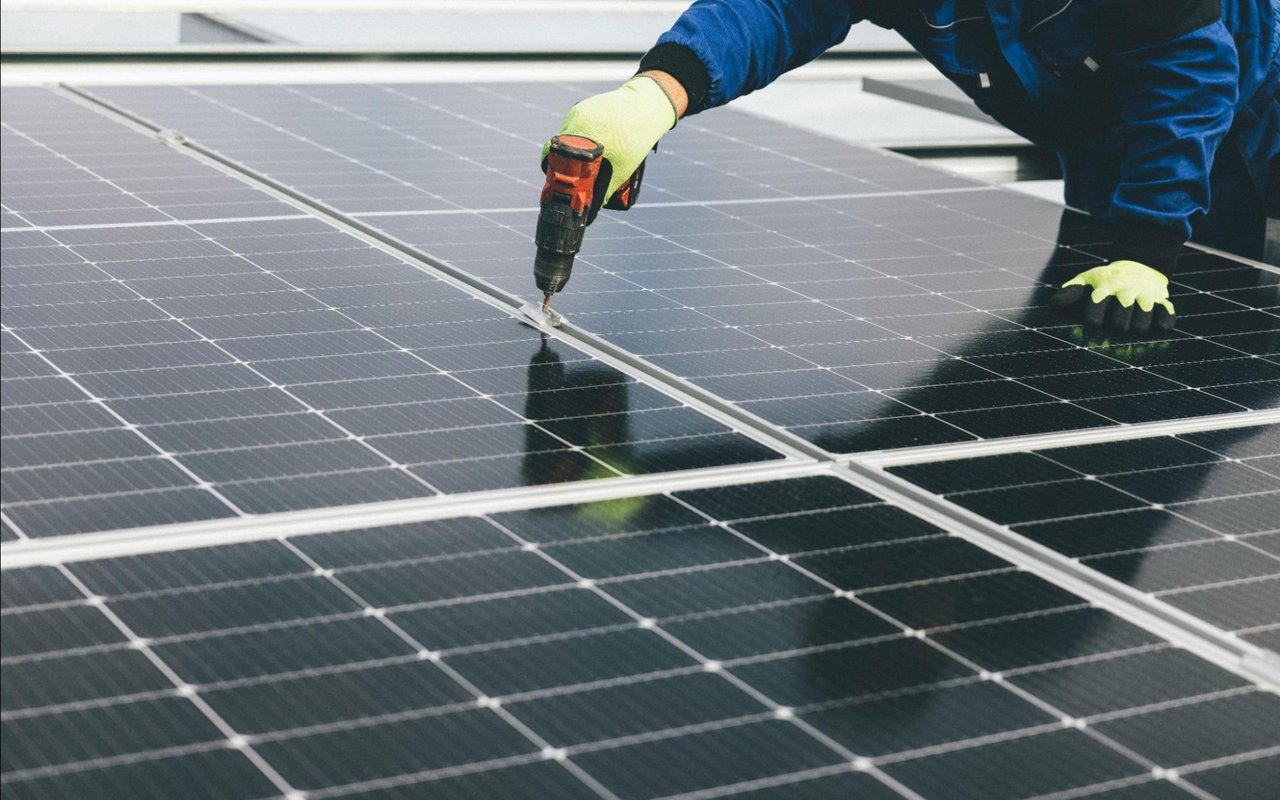
- Superior Solar Yields - Napa Valley rooftop solar produces 27% more energy than the national average due to abundant sunshine.
- Water Conservation Standards - Capped 60 psi water pressure, high-efficiency fixtures, and greywater recycling systems.
- Eco-Friendly Sourcing - Locally quarried stone, FSC-certified timber, and non-toxic low-VOC interior finishes.
- Grid Resilience - Battery storage systems provide backup power during grid outages and Public Safety Power Shutoffs (PSPS).
- Long-Term Value - Lower operating costs, superior indoor air quality, and enhanced market appraisal values.
Sustainable building practices in Napa County combine high-performance local municipal codes with renewable energy, water-smart infrastructure, and non-toxic local materials. Exceeding baseline California CALGreen standards, new green homes in Napa leverage 27% higher solar energy production, passive thermal design, low-flow greywater systems, and low-VOC finishes. Vine Homes Construction integrates these eco-friendly technologies into custom estates to optimize home performance, lower utility expenses, and build long-term real estate value.
Something is shifting in Napa Valley construction. More homeowners are asking detailed questions about where their materials originate, how their homes will perform thermally over time, and what environmental footprint they leave behind. Sustainability is no longer a trend in Wine Country: it is the standard expectation for anyone investing in a custom home in Napa County.
Napa Green Building Standards & Performance Matrix
Sustainability Category | Napa Specific Building Standard | Homeowner & Environmental Impact |
|---|---|---|
Local Energy Codes | CALGreen Tier 1/2 amendments & Energy Star appliance mandates. | Reduces building carbon footprint and lowers monthly operating costs. |
Solar & Battery Tech | 27% higher energy production than national avg; battery backup arrays. | Provides power independence during wildfire shutoffs (PSPS events). |
Water Conservation | Static pressure capped at 60 psi; +12% indoor savings over state baseline. | Prevents pipe leaks, conserves groundwater, and lowers utility bills. |
Greywater & Drip Systems | Dual plumbing for laundry-to-landscape & smart weather-based irrigation. | Recycles household water for native landscaping during drought years. |
Eco-Friendly Sourcing | FSC-certified wood, regional stone, low-VOC paints and sealants. | Eliminates toxic off-gassing, improves indoor air, and cuts transport carbon. |
Passive Thermal Design | High-R insulation, thermal mass walls & Low-E dual/triple glazing. | Minimizes mechanical HVAC loads by reflecting intense summer heat. |
Planning a Green Home Build in Napa Valley?
Combine luxury craftsmanship with high-performance sustainability
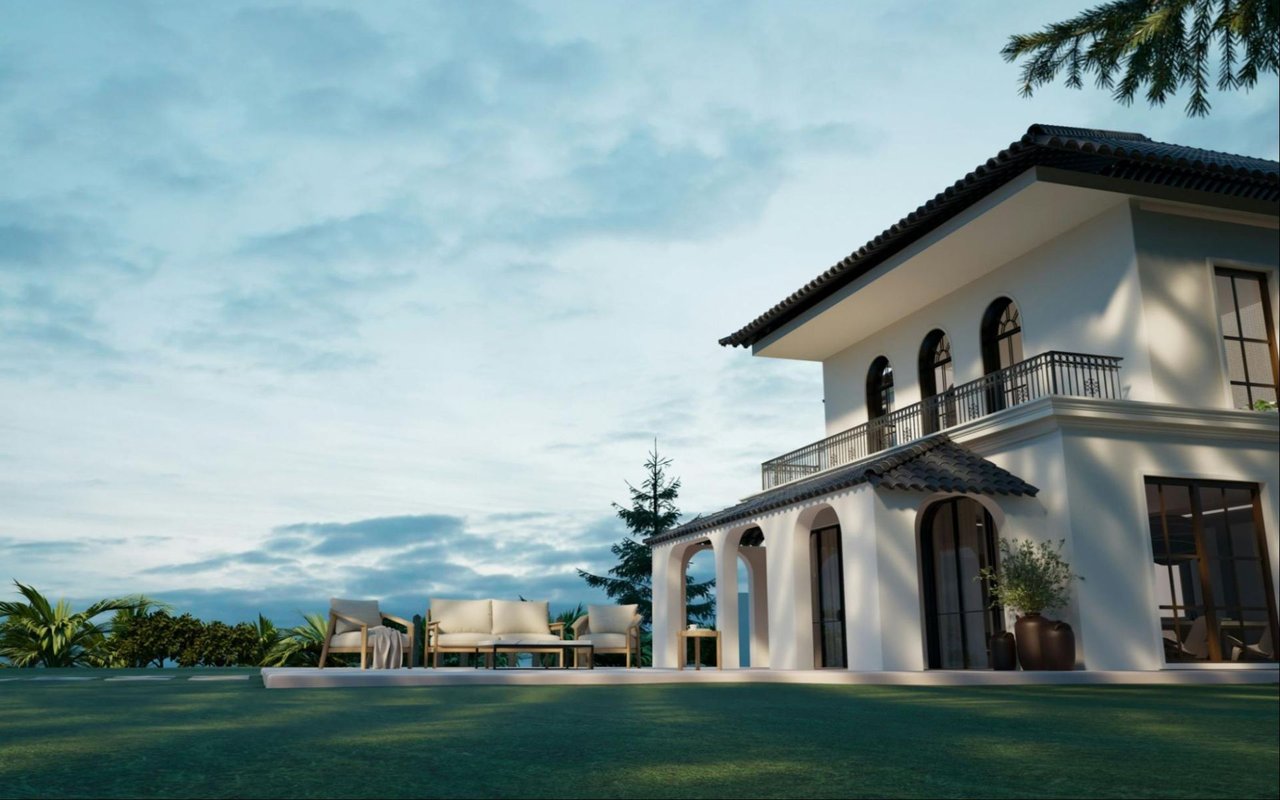
Vine Homes Construction incorporates cutting-edge green building practices across St. Helena, Yountville, and Napa County. From passive solar design and solar/battery integration to low-VOC interiors and local stone masonry, we build high-performing homes that stand the test of time.
Why Napa Is Leading on Green Building
Napa Valley has a long, distinguished history of environmental stewardship. The nation's first Agricultural Preserve was established here in 1968, protecting tens of thousands of acres from urban sprawl and overdevelopment. That same forward-thinking spirit now extends directly to residential homebuilding.
The City of Napa and Napa County have adopted high-performance building regulations that go well beyond California's baseline CALGreen standards. These local amendments govern energy efficiency, water conservation, material sourcing, and indoor air quality, ensuring new construction is held to an exceptionally high standard.
What Napa's Building Standards Require
- Kitchen faucets, showerheads, and plumbing fixtures must meet stricter flow rate limits than state minimums.
- Non-residential and commercial projects must achieve an additional 12% indoor water savings beyond standard CALGreen baselines.
- Energy Star-rated appliances and Title 24 compliant lighting are mandatory in new residential construction.
- Maximum static water pressure is capped at 60 psi to prevent plumbing stress, pipe leaks, and water waste.
Energy Efficiency That Makes Sense for Wine Country
Building a home in Napa County means building in one of the most productive solar microclimates in North America. Solar photovoltaic panels installed in Napa Valley produce roughly 27% more energy than the national average due to abundant sunny days and clear atmospheric conditions. This provides a massive advantage for homeowners seeking net-zero energy independence.
However, solar generation is only one component of sustainable design. Passive architectural strategies reduce heating and cooling loads before solar panels are even installed:
Key Energy Features for Custom Builds
- Passive Solar Orientation: Positioning building envelopes to maximize natural winter light while utilizing cantilevered overhangs to shade interiors from summer heat.
- High-Efficiency Heat Pumps: Utilizing advanced electric heat pump systems for space heating, air conditioning, and domestic hot water.
- Smart Energy Automation: Installing whole-home energy monitoring systems that optimize power usage during peak utility tariff hours.
- Battery Storage Systems: Pairing rooftop solar with lithium battery storage (such as Tesla Powerwall) for seamless backup power during grid outages or Public Safety Power Shutoff (PSPS) wildfire events.
Water Conservation Is Non-Negotiable in Napa
In a region where drought is a recurring reality, water efficiency is non-negotiable. Napa's building codes reflect this urgency with strict conservation standards. Homes designed to use less water cost significantly less to operate and maintain stronger resale value among environmentally conscious buyers.
Integrating water-smart features during the initial design phase ensures infrastructure like dual plumbing lines and subterranean greywater tanks are installed seamlessly.
Water-Saving Strategies for New Custom Homes
- Ultra Low-Flow Fixtures: Installing high-performance toilets, aerated faucets, and smart showerheads that exceed local mandates.
- Greywater Recycling Systems: Routing laundry and shower water into sub-surface landscape irrigation networks.
- Native Drought-Tolerant Landscaping: Landscaping with native California oaks, lavenders, and olive trees that thrive without heavy irrigation.
- Weather-Sensing Smart Irrigation: Installing controllers that automatically adjust watering schedules based on local satellite weather data.
Choosing Healthy, Long-Lasting Materials
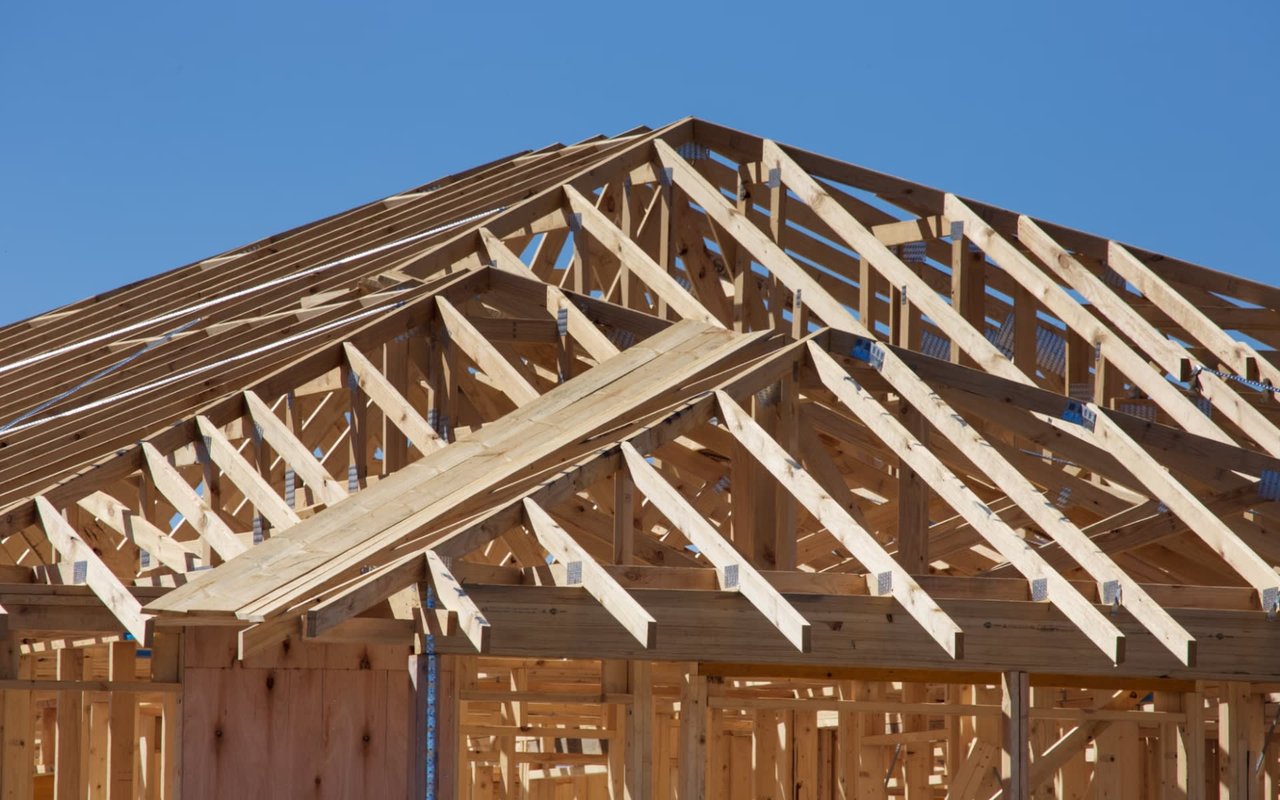
Sustainable building encompasses the structural and decorative materials that form your home. Sourcing materials locally reduces transportation carbon emissions while ensuring products perform reliably in Napa's specific climate. Reclaimed timber, recycled-content insulation, and non-toxic finishes are standard in high-quality construction.
Material Choices That Support Sustainability
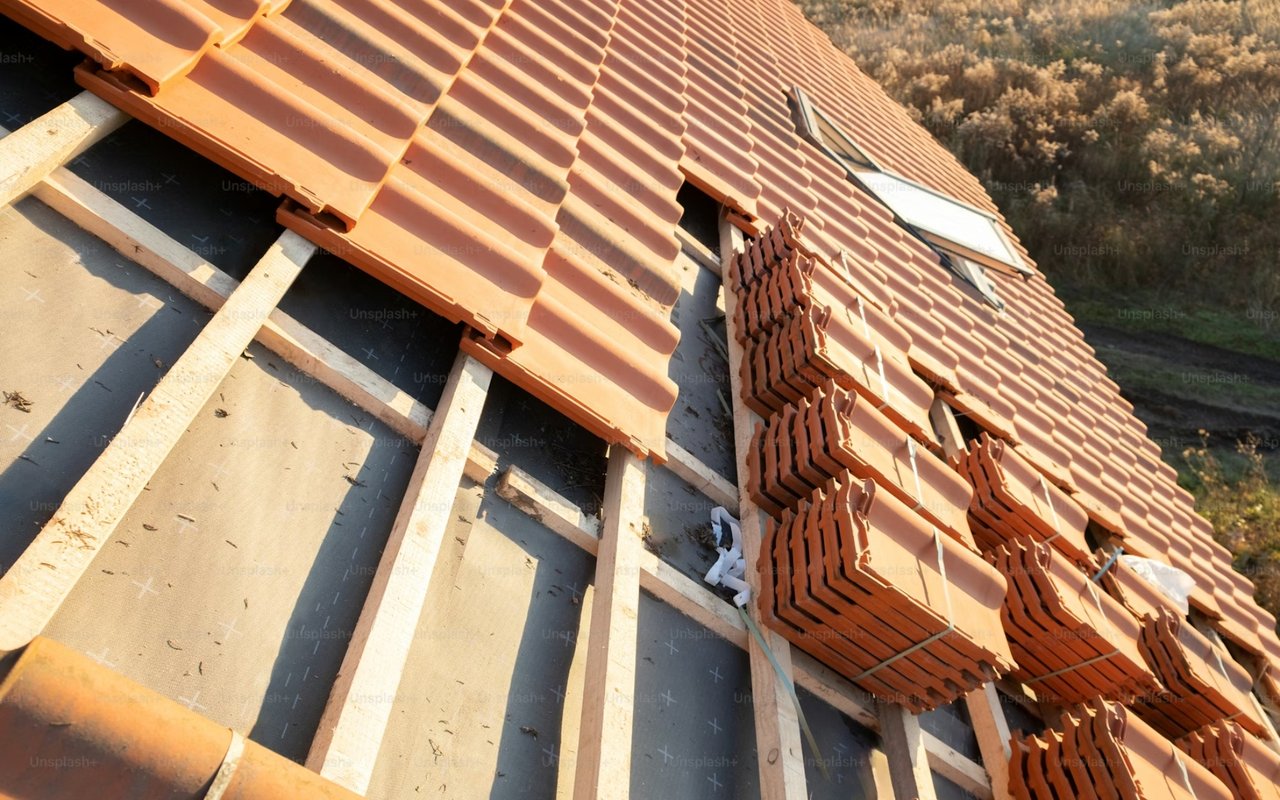
- Locally Sourced Stone & Timber: Sourcing regional stone masonry and timber cuts to minimize transportation impacts and honor local aesthetics.
- FSC-Certified & Reclaimed Wood: Utilizing Forest Stewardship Council certified lumber or reclaimed barn wood for framing, exposed beams, and flooring.
- Low-VOC Paints & Sealants: Specifying zero-VOC paints, solvent-free adhesives, and natural wood sealants to eliminate toxic off-gassing and safeguard indoor air quality.
- High-Recycled-Content Insulation: Installing blown cellulose or mineral wool insulation manufactured from recycled content for superior acoustic and thermal performance.
The Long-Term Financial Value of Green Building
Sustainable homes in Napa Valley represent superior investments. Energy-efficient estates cost substantially less to operate month after month, while water-smart designs remain resilient during drought years. As luxury buyer expectations shift toward environmental responsibility, green-certified homes command premium appraisal values and sell faster.
Equally important is the enhanced quality of life. Homes built with non-toxic materials, balanced humidity control, superior acoustic insulation, and abundant natural daylight offer an unmatchable living environment in every season.
Build Something That Lasts with Vine Homes Construction
At Vine Homes Construction, led by Peter Hamilton, we bring decades of custom homebuilding experience in Napa County paired with an uncompromised commitment to sustainable craftsmanship. Whether you are planning a vineyard estate in St. Helena, a modern farmhouse in Yountville, or an eco-friendly retreat on the valley floor, we integrate green building practices seamlessly into every phase of construction.
From navigating local CALGreen amendments and PBES permitting to installing solar battery systems and local stone masonry, our team delivers high-performing homes built for generations. Contact Vine Homes Construction today to discuss your project.
Frequently Asked Questions About Napa Sustainable Building
What makes Napa's building codes different from the rest of California?
Napa County and the City of Napa have adopted local amendments to California's CALGreen standards that enforce stricter indoor/outdoor water efficiency, capped 60 psi water pressure, mandatory Energy Star appliances, and enhanced energy measures exceeding the state baseline.
Is it more expensive to build a sustainable home in Napa?
While certain green features involve higher upfront costs, they deliver substantial long-term returns through reduced energy bills and lower maintenance. For instance, rooftop solar systems in Napa can save homeowners over $100,000 in utility expenses over a 25-year lifespan.
Why do solar panels perform better in Napa Valley?
Napa Valley receives abundant annual sunlight paired with clear Mediterranean atmospheric conditions, allowing rooftop photovoltaic systems to generate approximately 27% more energy than the U.S. national average.
What are low-VOC materials and why are they used?
Low-VOC (Volatile Organic Compound) paints, adhesives, and sealants contain minimal harmful chemicals. Using them eliminates off-gassing, dramatically improving indoor air quality and creating a healthier living environment for your family.