Vine Homes | Napa Valley Construction & Development
Top Mistakes to Avoid When Building a Home in Napa
Learn how to navigate local zoning regulations, site engineering, budgeting, and wildfire resilience to ensure a seamless custom build in Napa County.
Napa Home Building Mistakes: 2026 Quick-Take Summary
Common Pitfall | Primary Project Impact | Proactive Builder Solution |
|---|---|---|
Ignoring Zoning & Water Rules | Permit denials & construction stop-orders | Feasibility analysis prior to parcel purchase |
Rushing the Architectural Phase | Costly mid-build structural redesigns | Early general contractor and architect integration |
Omitting Site Development Costs | Budget overages on grading & septic systems | All-inclusive transparent cost estimation |
Avoid the most common Napa County home building mistakes by conducting pre-purchase site feasibility studies, completing full architectural plans before breaking ground, budgeting for complex site preparation, and building for wildfire resilience. Yes, partnering with a local licensed general contractor ensures compliance with Napa County zoning codes, Ag Preserve guidelines, and Groundwater Sustainability Agency regulations.
Planning to Build a Custom Estate in Napa County?
Vine Homes Construction provides complete guidance across site evaluations, county permits, and architectural execution to protect your investment.
Common Napa Construction Pitfalls & Solutions Matrix
Examine the top homebuilding mistakes in Napa County and the corresponding mitigation strategies:
Category | Common Oversight | Regulatory or Technical Consequence | Prevention Strategy |
|---|---|---|---|
Zoning & Land Use | Underestimating Agricultural Preserve and setback restrictions | Inability to build desired floor plan or outbuildings | Conduct early land-use research with Napa Planning Department |
Site Engineering | Ignoring slope stability, soil grading, and drainage needs | Foundation settling, erosion, and unexpected excavation costs | Perform geotechnical soil testing and civil site plans during design |
Wildfire Hardening | Failing to incorporate WUI fire-resilient exterior materials | Permit delays and extreme difficulty securing homeowners insurance | Install Class A roofing, ember vents, and non-combustible siding |
Budget Scope | Excluding utility hookups, septic upgrades, and driveway paving | Financial shortfalls during late construction phases | Demand a fully line-itemed site development bid from builder |
Note: Land development requirements vary significantly between Napa Valley floor parcels and steep hillside parcels in the Mayacamas range.
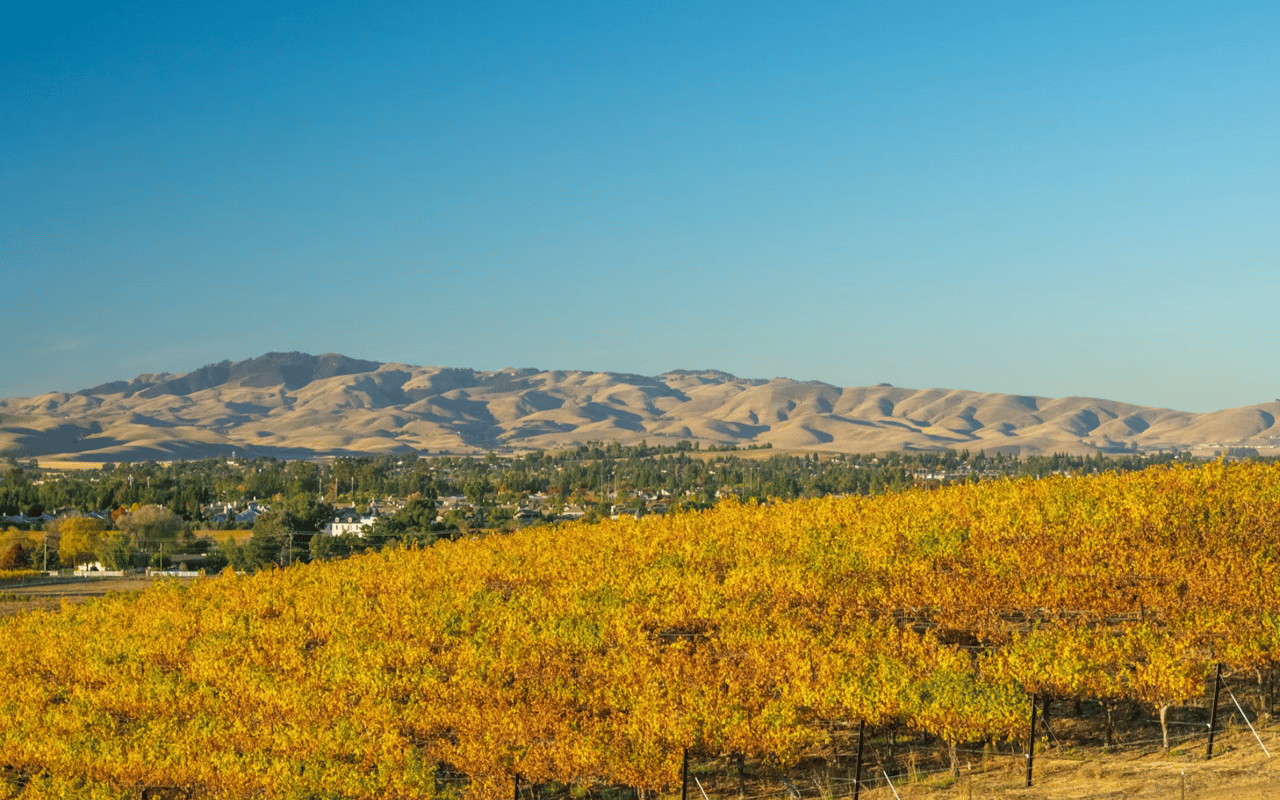
Building a custom home in Napa County is an exciting and rewarding experience, especially for those seeking to design a residence that reflects their personal tastes, lifestyle, and appreciation for Northern California's natural beauty [1]. Whether developing a wine country retreat, a modern farmhouse, or a contemporary hillside estate, constructing a new home involves numerous decisions with long-term implications. While the opportunity to build in such a scenic region is significant, the potential for Napa County home building mistakes is equally real without proper planning.
Vine Homes Construction works directly with homeowners to ensure every phase of the construction process is handled with precision, transparency, and local expertise, helping clients avoid costly pitfalls.
Failing to Understand Local Zoning and Permitting
One of the most common and expensive Napa County home building mistakes is underestimating local zoning laws, environmental reviews, and permitting timelines. Napa County enforces strict rules regarding hillside development, grading limits, water allocation, and agricultural land conservation. Parcels located near Ag Preserve zones, creeks, or fire-prone ridgelines require specialized clearance before building permits are issued.
Failing to verify what is legally permissible on a parcel before drafting plans can delay a project by months or halt it completely. Site-specific factors like slope steepness, proximity to vineyards, and soil stability impact foundation design and septic placement.
- Feasibility Review: Complete a professional land feasibility evaluation before finalizing a land purchase or architectural contract.
- Water & Septic Verification: Test well yield and verify Onsite Wastewater Treatment System (OWTS) capacity with Napa County Environmental Health.
Skipping or Rushing the Design Phase
Jumping into active construction before architectural and engineering plans are fully finalized leads to major mid-build changes. In Napa County's terrain, mid-construction adjustments cause costly delay orders. Window placement, roof pitches, and exterior siding must be evaluated for solar gain, wind exposure, and local wildfire codes.
Involving a general contractor early in the architectural process ensures creative design concepts match structural realities and realistic construction budgets.
Choosing the Wrong Builder or General Contractor
Selecting a builder solely on the lowest bid without checking regional credentials is a major risk. Out-of-area contractors often lack familiarity with Napa County inspector expectations, local subcontractor networks, and specialized building codes. Partnering with a dedicated local expert ensures smooth project management and transparent communication.
Underestimating Total Budget Scope and Site Costs
Homeowners often focus exclusively on the cost per square foot of the primary structure while omitting essential site development expenses. In Napa, site preparation costs can vary dramatically based on soil type and terrain slope.
Key budget items that must be accounted for from the start include:
- Permit fees, utility connection charges, and impact fees.
- Excavation, hillside grading, and retainage wall engineering.
- Septic system installation or municipal sewer ties.
- Paved access driveways and fire department turnaround buffers.
- Defensible space landscaping and emergency water storage tanks.
Over-Customizing Without Considering Resale Value
While a custom home should fit your current lifestyle, over-customizing with highly niche floor plans or unorthodox materials can harm future resale appeal. In Napa County, luxury buyers consistently favor indoor-outdoor flow, open chef kitchens, energy efficiency, and timeless modern wine country aesthetic elements.
Neglecting Outdoor Living Spaces and Landscaping
In Napa Valley, outdoor living is a core component of daily life. Overlooking outdoor terraces, covered loggias, outdoor kitchens, and fire lounges is a missed design opportunity. Integrating exterior living spaces into initial architectural drawings ensures grading, drainage, and gas lines are installed efficiently during site preparation.
Failing to Plan for Wildfire Resilience & Hardening
Building in Napa County mandates strict adherence to Wildfire Urban Interface (WUI) standards. Incorporating Class A fire-rated roofing, ember-resistant sub-eave venting, dual-pane tempered glass, and ignition-resistant siding is essential for safety, code compliance, and securing homeowners insurance.
Vine Homes Construction: Napa Valley Building Specialists
Vine Homes Construction brings years of hands-on experience navigating Napa County's planning and building departments. Our team guides clients through lot evaluation, permitting, and high-end construction, delivering luxury custom homes engineered to withstand local environmental challenges.
Contact Vine Homes Construction | Napa Custom Builders
What Search Results Miss About Napa Building Regulations
Generic homebuilding articles advise buyers to simply check zoning maps online. However, they miss the critical impact of Napa's Groundwater Sustainability Agency (GSA) guidelines and the Agricultural Preserve ordinance. Depending on your parcel's location, strict caps on total residential water use or impervious surface coverage may limit the size of guest houses, swimming pools, or paved driveways. Working with an experienced local builder like Vine Homes ensures your land development strategy aligns with current county environmental caps.
Explore More Wine Country Building & Design Guides
Discover adjacent residential guides, zoning overviews, and construction insights across Napa Valley:
Napa County Permit Process
Learn how to navigate zoning, environmental reviews, and building permits in Napa County.
Contractor vs. DIY Guide
Compare costs, building code liabilities, and timelines for wine country remodels.
St. Helena New Construction
Explore luxury new builds, custom vineyard estates, and turn-key properties in St. Helena.
Building in Wine Country
Discover how to integrate modern luxury architecture with natural wine country scenery.
Work with a Local Expert to Avoid Napa Home Building Mistakes
Building a home in Napa County is a major investment. Partner with Vine Homes Construction to navigate local regulations, manage site engineering, and construct a custom home built to endure.
Frequently Asked Questions About Building in Napa
What is the biggest mistake when buying land in Napa County?
The biggest mistake is purchasing a parcel without verifying water rights, well output, septic suitability, or Ag Preserve building restrictions through a formal site feasibility study.
How long does the permit process take in Napa County?
Obtaining building permits for a custom home in Napa County typically takes 6 to 12 months, depending on parcel zoning, environmental reviews, and site complexity.
What are WUI building codes in Napa County?
Wildfire Urban Interface (WUI) codes mandate ignition-resistant exterior siding, Class A fire-rated roofing, ember-proof attic vents, and non-combustible decking to protect homes from wildfire hazards.
Source: Napa County Planning, Building, and Environmental Services Department [1]; California Department of Forestry and Fire Protection (CAL FIRE) WUI Standards; Vine Homes Construction Research.