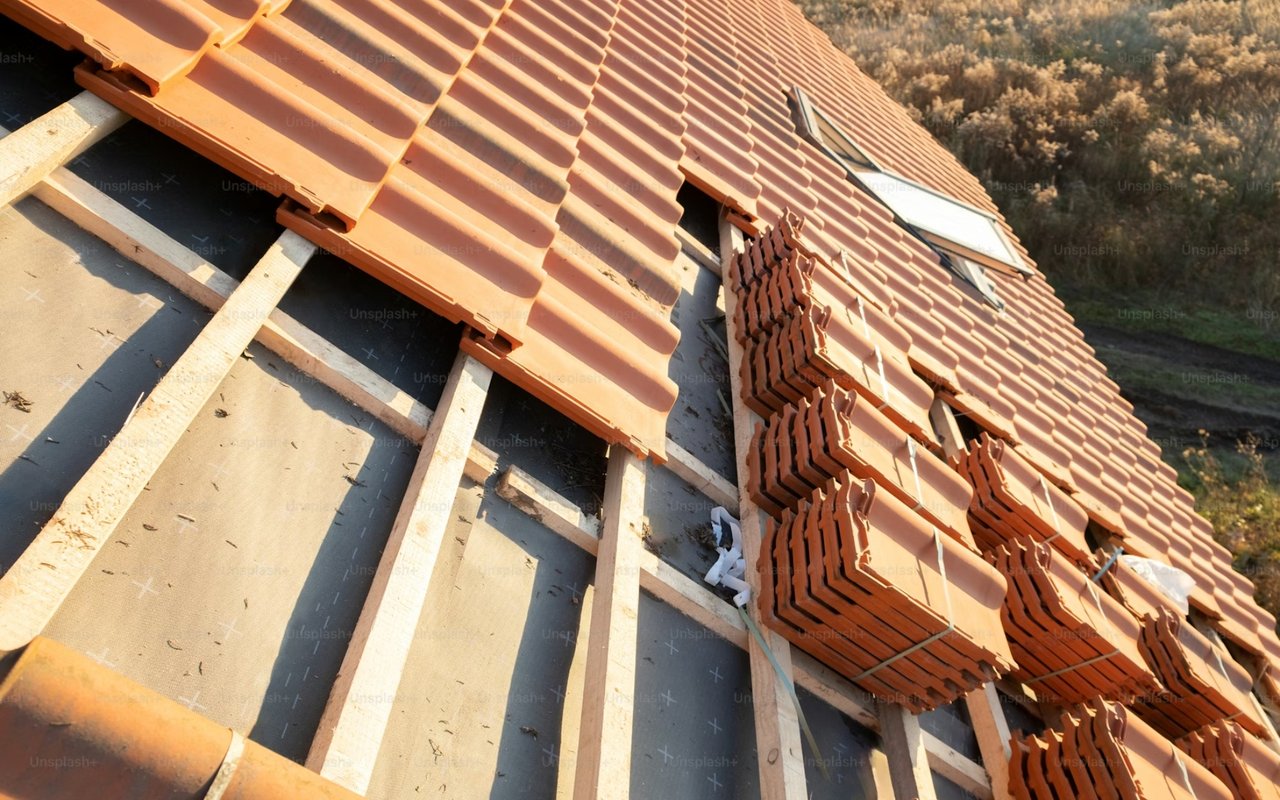
Hiring a licensed general contractor versus doing a remodel yourself depends on project complexity, structural risk, and California law. Under California Business and Professions Code Section 7048, any home improvement project totaling $500 or more in combined labor and materials requires a CSLB-licensed contractor, making DIY suitable only for minor cosmetic updates while structural, plumbing, electrical, and permitted Napa Valley renovations require professional management.
If you are planning a luxury renovation, structural addition, or estate remodel in St. Helena, Yountville, or Napa Valley, working with a licensed design-build builder prevents costly permitting delays and code violations. You can explore our custom home and remodel portfolio or contact Vine Homes Construction to schedule a project consultation.
Project Type | Recommended Approach | California Permitting & Licensing | Primary Risk if Done Incorrectly |
|---|---|---|---|
Interior Painting & Trim Touch-Ups | DIY (under $500 material threshold) | No building permit required | Aesthetic finish flaws that are straightforward to repaint |
Cabinet Hardware & Like-for-Like Fixtures | DIY (with caution) | No permit for surface hardware; licensed trade recommended for wiring | Loose mounting or minor electrical shorts if power is not isolated |
Kitchen or Bathroom Gut Remodel | Hire a General Contractor | CSLB license required ($500+ law); Napa County plumbing, mechanical & electrical permits | Hidden water intrusion, mold growth, and unpermitted utility violations |
Load-Bearing Wall Removal & Additions | Hire a General Contractor | Structural engineering calculations, architectural plans & county building permits | Severe structural deflection, seismic failure, and resale title holds |
Main Electrical Panel, HVAC & Solar Integration | Hire a General Contractor | California Title 24 energy compliance and licensed C-10 / C-20 specialty trades | Fire hazards, failed municipal inspections, and voided homeowner insurance |
Roofing, Siding & WUI Fire-Hardening | Hire a General Contractor | Class A fire-rated assemblies and Napa County Wildland-Urban Interface (WUI) review | Roof leaks, non-compliant defensible assemblies, and insurance cancellation |
Sources: California Contractors State License Board (CSLB) Business and Professions Code Section 7048, Napa County Planning, Building, and Environmental Services, and California Building Standards Code (Title 24).
Pros and Cons of Hiring a Licensed General Contractor
When planning a residential renovation, choosing between hiring a general contractor and taking on a do-it-yourself build directly shapes your final budget, construction timeline, and resale valuation. Partnering with an experienced design-build firm such as Vine Homes Construction brings licensed trade supervision, structural engineering coordination, and deep familiarity with Napa County and Sonoma County municipal review boards.
Key advantages and trade-offs of hiring a general contractor include:
- Code Compliance and Permitting Mastery: Licensed contractors manage architectural plan submittals, Title 24 energy documentation, and county field inspections, preventing costly stop-work orders
- Quality Assurance and Vetted Subcontractors: General contractors maintain established relationships with master electricians, plumbers, millworkers, and stone fabricators while carrying workers' compensation and general liability coverage
- Predictable Schedule Execution: Dedicated project management compresses multi-trade timelines that would otherwise stretch across months of weekend DIY labor
- Higher Upfront Cost and Less Day-to-Day Micro-Control: Professional proposals include skilled labor, supervision, and overhead, and the contractor directs daily site sequencing rather than the homeowner managing individual trades
Homeowners weighing a large-scale remodel against starting fresh can also compare options in our guides on whether to renovate or rebuild in Napa County and tips for hiring a remodeling contractor in Napa Valley.
Pros and Cons of DIY Home Improvement Projects
Taking the DIY route offers genuine appeal for straightforward cosmetic upgrades where a homeowner has the time, tools, and patience to execute clean finish work. Painting an interior room, refreshing landscape beds, or swapping cabinet pulls eliminates third-party labor markups and allows complete hands-on creative control over scheduling and aesthetics.
However, the risks escalate rapidly once a project moves behind drywall or exceeds California's $500 statutory threshold:
- Technical and Safety Hazards: Errors in residential wiring, gas lines, waterproofing membranes, or structural framing create immediate fire, flooding, and seismic risks
- Timeline Overruns and Burnout: A bathroom or kitchen teardown that a professional crew completes in weeks can leave a household without functional utilities for months when tackled on evenings and weekends
- Resale and Insurance Consequences: Unpermitted work discovered during a buyer's home inspection can trigger retroactive permitting penalties, escrow delays, or denied homeowner insurance claims
California Licensing Laws and Napa County Permitting Rules
Generic national DIY articles frequently overlook strict California contractor statutes and Wine Country permitting requirements. Under California Contractors State License Board (CSLB) regulations, anyone who contracts to perform construction or remodeling work valued at $500 or more in combined labor and materials must hold an active state contractor license. While property owners may legally apply for an owner-builder permit on their primary residence, doing so shifts full legal liability for worker injuries, subcontractor payroll compliance, and code defects onto the homeowner.
Across St. Helena, Yountville, Calistoga, and unincorporated Napa County, moving plumbing fixtures, upgrading electrical service, altering structural framing, or modifying exterior envelopes in Wildland-Urban Interface (WUI) zones requires stamped plans and formal municipal inspections. Before launching a major build, review our guide to the Napa County permit process and our step-by-step guide to building a home in Napa.
- California $500 Licensing Rule: CSLB license required for any residential construction or remodel totaling $500+ in labor and materials (CA Bus. & Prof. Code Section 7048)
- Napa County Building Division: 1195 Third Street, Suite 210, Napa, CA 94559 (Phone: 707-253-4417); handles residential building permits, plan checks, and field inspections
- City of St. Helena Building Department: 1572 Railroad Avenue, St. Helena, CA 94574 (Phone: 707-967-2792); municipal permitting and historic district review
- Owner-Builder Liability Rule: Pulling an owner-builder permit makes the homeowner directly liable for code compliance, safety standards, and uninsured worker injuries
Sources: California Contractors State License Board (CSLB), County of Napa Building Division, and City of St. Helena.
Related Napa Valley Remodeling and Construction Guides
- Permit Process for Home Construction in Napa County
- Should You Renovate or Rebuild in Napa County?
- Tips for Hiring a Remodeling Contractor in Napa Valley
- Custom vs. Spec Homes in Napa County: Which Is Right for You?
- Building a Home in Napa: Step-by-Step Construction Guide
- St. Helena New Homes & Custom Wine Country Estates
Local Napa Valley Design-Build and General Contracting Representation
Anthony Assereto | Principal, Vine Homes Construction
Vine Homes Construction is a licensed and insured luxury custom home builder and general contracting firm serving St. Helena, Yountville, Calistoga, Napa Valley, Sonoma County, and the East Bay. Led by Anthony Assereto, our team manages every phase of custom residential construction and whole-home remodeling, from architectural pre-construction and Napa County permitting to structural engineering, WUI fire-hardening, and museum-grade interior finishes.
Whether you are weighing a major kitchen and structural remodel or planning a ground-up wine country estate, Vine Homes Construction delivers transparent budgeting, schedule accountability, and master craftsmanship.
Frequently Asked Questions About Hiring a Contractor vs. DIY
When is it legally required to hire a licensed contractor in California?
Under California Business and Professions Code Section 7048, any residential construction, alteration, or remodeling project where the combined cost of labor and materials is $500 or more legally requires a contractor licensed by the California Contractors State License Board (CSLB).
Can I pull my own building permits as a homeowner in Napa County?
Yes, homeowners can apply for an owner-builder permit in Napa County for work on their primary residence, but doing so transfers full legal responsibility for building code compliance, Title 24 energy standards, workplace safety, and potential liability onto the property owner.
Which home projects are safe for DIY versus hiring a general contractor?
Interior painting, hanging trim, swapping cabinet hardware, and minor cosmetic updates are well suited for DIY. Kitchen and bathroom gut remodels, load-bearing wall removals, electrical panel upgrades, plumbing relocations, and roofing or structural additions should always be handled by a licensed general contractor.
Why are DIY electrical and plumbing projects risky for resale and insurance?
Improper electrical or plumbing work creates severe fire and water-damage hazards and violates California building codes. Unpermitted utility alterations frequently surface during buyer home inspections, causing escrow delays, costly tear-outs, or voided homeowner insurance coverage.
Is it cheaper to hire a general contractor for a major remodel?
While DIY avoids upfront labor fees on small cosmetic tasks, hiring a licensed general contractor is often more cost-effective on complex renovations because professionals prevent structural mistakes, secure trade material pricing, pass municipal inspections on the first review, and protect long-term home resale value.
Ready to plan a permitted, high-precision remodel or custom home build in Napa Valley? View Vine Homes Construction projects or contact our team today.